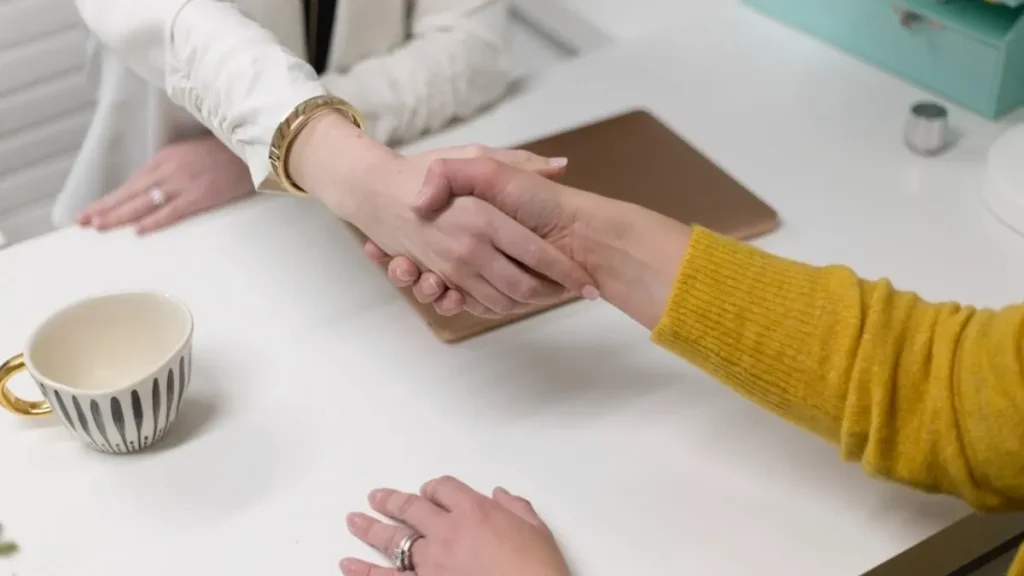
Knowing how to prepare for a job interview turns a nerve-racking hour into a conversation you are ready for. Good preparation is not about memorizing perfect lines. It is about knowing the company, knowing your own stories and handling the small details before the day arrives. Here at FentoMagazine.com, we broke the process into a simple checklist you can follow over a few days.
Key takeaways
- Research the employer’s mission, products and recent news before you practice anything.
- Prepare short, specific stories using the STAR method for common interview questions.
- Plan your outfit, route, documents and questions the day before.
- Send a brief thank-you email within a day of the interview.
How to Prepare for a Job Interview: Research the Company First
Start with the employer, not with yourself. Read the company website, especially the About page, mission statement and recent news. Check its LinkedIn page and look up the people who may interview you. Then reread the job description and highlight the skills it repeats.
Marquette University’s career office says preparation and practice are the key to interviewing success, and suggests learning the organization’s mission, products, structure and industry trends in its interviewing guide from Marquette Career Services.
Questions to answer in your notes
- What problem does this company solve, and for whom?
- What has changed for it in the last year?
- Which three skills does this role need most?
Review Your Resume and Match It to the Role
Interviewers often ask about anything on your resume, so reread it line by line. For each job or project, be ready to explain what you did, how you did it and what changed as a result. If your resume needs work first, our guide on how to write a resume that gets interviews walks you through tailoring it to a posting.
Match your experience to the job description. For each key requirement you highlighted, pick one example that proves it.
Practice Common Interview Questions With the STAR Method
Most interviews include behavioral questions such as “Tell me about a time you handled a conflict.” The idea is that past behavior hints at future performance. The STAR method keeps your answers clear and short:
- Situation: set the scene in one or two sentences.
- Task: explain what you needed to do.
- Action: describe the steps you personally took.
- Result: share the outcome and what you learned.
Harvard’s career office recommends preparing specific stories for skills like teamwork, leadership and problem solving, and reminds candidates to “show, don’t tell,” in its interviewing resources from Harvard Career Services.
Rehearse out loud
Rehearsal is the step most people skip when they figure out how to prepare for a job interview. Say your answers aloud, not just in your head. Record yourself on your phone or ask a friend to run a mock interview. Aim for answers of about one to two minutes, and practice “Tell me about yourself” until it feels natural.
Prepare Questions to Ask the Interviewer
At the end, you will almost always hear, “Do you have any questions for us?” Write down several questions in advance, because some may be answered during the conversation. Good options include:
- What does success look like in this role after the first few months?
- What are the biggest challenges the team is working on right now?
- How would you describe the team’s working style?
- What are the next steps in the hiring process?
If the role is remote or hybrid, ask how the team communicates. Our tips on staying productive and focused while working from home can help you answer follow-up questions about your own routine.
Your Job Interview Checklist for the Day Before
Small details can rattle you on the day, so handle them early. This part of learning how to prepare for a job interview is easy to skip, but it saves real stress.
- Outfit: choose clothes that match the company’s dress code, then check them for stains or wrinkles. Our guide to simple care habits that make clothes last longer helps keep your interview outfit in good shape.
- Documents: print extra copies of your resume and bring a notebook and pen.
- Route: plan your trip and aim to arrive about 10 minutes early. For video calls, test your camera, microphone and internet connection.
- Rest: get a good night’s sleep and eat something before you go.
After the interview, send a short thank-you email within 24 hours. Mention something specific you discussed and restate your interest in the role. For more everyday habits that make busy weeks easier, see our roundup of 25 smart digital lifestyle tips.
Frequently Asked Questions
How many days before an interview should I start preparing?
Try to start two or three days ahead. That gives you time to research the company, practice your stories out loud and sort out logistics without rushing. If the interview is tomorrow, focus on the job description, your top three examples and your questions for the interviewer.
What should I bring to an in-person interview?
Bring several printed copies of your resume, a notebook and pen, your list of questions and any documents the employer requested. Keep the interviewer’s name and phone number handy in case you run late. A small folder keeps everything flat and easy to reach.
How do I calm interview nerves?
Preparation is the best cure for nerves. Practice your answers aloud, plan your route and arrive early so you are not rushing. Before you walk in, take a few slow breaths. Remember that an interview is a two-way conversation, and you are also deciding whether the job suits you.
Final Thoughts
Learning how to prepare for a job interview comes down to research, practice and planning. Follow this checklist, and you will walk in ready to show your best self. For more practical guides, visit FentoMagazine.com and browse our career advice and job search guides.