A weekly cleaning schedule turns housework from a weekend marathon into small jobs spread across the week. Instead of waiting until every room needs attention at once, you give each day one focus and add a short daily reset. Here at FentoMagazine.com, we like systems that fit real lives, and this plan asks for about 15 to 20 minutes on most days. Below you will find the daily habits, a day-by-day plan and simple ways to keep it going.
- Pair a 15-minute daily reset with one focus area per day so no room ever gets out of hand.
- Clean first, then disinfect only when it is actually needed, such as when someone at home is sick.
- Keep supplies in one caddy and follow every product label, including ventilation and no-mixing rules.
- Leave the weekend for catch-up, so a missed day never breaks the whole routine.
Why a Weekly Cleaning Schedule Beats the Weekend Marathon
Homes rarely get messy because people are lazy. They get messy because cleaning has no time slot. When everything waits for Saturday, the job feels huge and easy to postpone.
A schedule fixes that by shrinking each task. You never ask yourself, “What should I clean?” The answer is already written down. Small, predictable sessions also keep dirt from building up, which means each session is faster than the last.
The Daily Reset: Four Habits That Take 15 Minutes
These daily cleaning habits are the foundation. Do them at the same time each day, such as after dinner.
- Clear the kitchen. Load or wash the dishes, wipe the counters and the stovetop, and run a quick cloth over the sink.
- Do a 5-minute pickup. Walk through the main living area with a basket and return anything that is out of place.
- Handle the mail and paper. Recycle junk right away and put bills or forms in one spot.
- Reset the bathroom. Hang towels, wipe the sink and put toiletries back where they live.
Your Day-by-Day Weekly Cleaning Schedule
Here is a simple house cleaning checklist with one focus per day. Swap the days around to match your work schedule.
Monday: Kitchen Deep Clean
Wipe cabinet fronts and appliance handles, clean the microwave, and toss expired food from the fridge before it becomes a bigger job.
Tuesday: Bathrooms
Scrub the toilet, sink and tub or shower, clean the mirror, and swap in fresh towels and a clean bath mat.
Wednesday: Dust and High-Touch Surfaces
Dust shelves, TV stands and window sills from top to bottom. Then wipe light switches, doorknobs and remote controls.
Thursday: Floors
Vacuum rugs and carpets, then sweep and mop hard floors.
Friday: Laundry and Bedding
Wash sheets and pillowcases, put clean bedding back on, and fold any laundry still sitting in baskets.
Weekend: Catch-Up and One Small Project
Finish anything you skipped, then pick one small project, such as the entryway or the inside of the fridge door.
Clean Smarter and Safer
Cleaning with soap or detergent removes most dirt and germs, and the CDC’s guidance on cleaning and disinfecting your home says to clean first and disinfect mainly when someone in the home is sick. It also recommends cleaning high-touch surfaces like light switches and doorknobs regularly, which is exactly why Wednesday covers them.
A few safety rules belong in every cleaning routine:
- Read the label and follow its directions for use and dilution.
- Never mix cleaning products with each other.
- Open a window or run a fan while you work.
- Store products out of reach of children and pets.
The EPA’s guide to indoor air quality adds that cleaning products can release organic compounds as you use them, so fresh air matters. It also notes that vacuums with high-efficiency filters may help reduce dust and allergens.
How to Make Your Cleaning Routine Stick
A schedule only works if it feels doable. These tips keep it light:
- Cut the clutter first. Fewer items means faster cleaning. Our guide on how to declutter your home room by room is a good first weekend project.
- Use a timer. Set it for 15 minutes and stop when it rings.
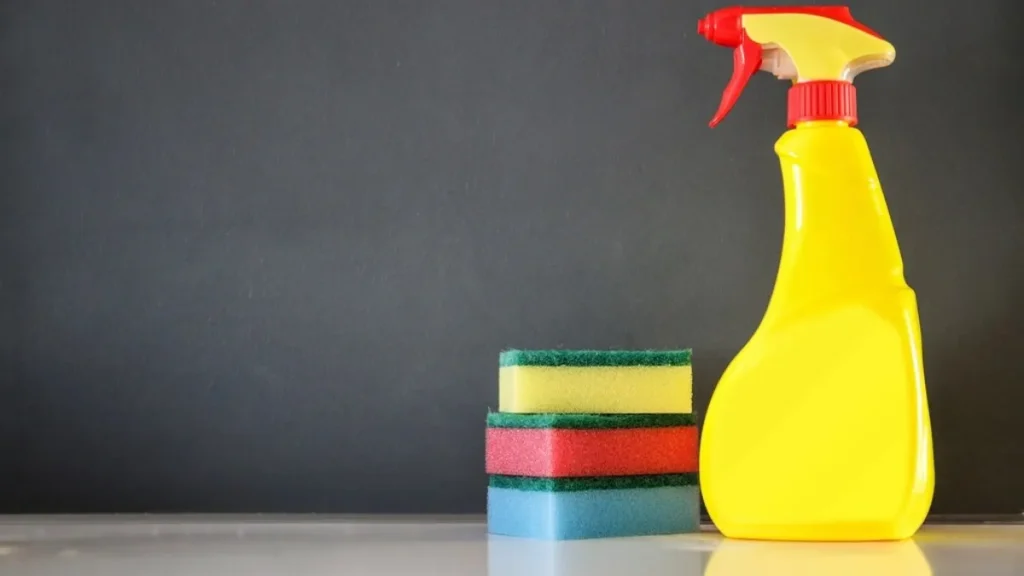
- Keep one caddy. Store your cloths, sprays and a scrub brush together so you never hunt for supplies.
- Write it down. Post the plan on the fridge or set phone reminders. For more ideas like this, browse our 25 digital lifestyle tips for smarter living.
A tidy space also feels bigger. If your rooms still feel cramped once they are clean, try these simple design tricks to make a small room look bigger.
Frequently Asked Questions
How long should a weekly cleaning schedule take each day?
For most homes, plan on 15 to 20 minutes on weekdays: about 15 minutes for the daily reset and a few extra minutes for that day’s focus area. Larger homes, pets or young kids may need more time, so adjust the plan after your first two weeks.
Do I need to disinfect my kitchen counters every day?
Usually not. Wiping counters with soap and water removes most dirt and germs. Disinfecting is mainly useful when someone at home is sick or has a weakened immune system. When you do disinfect, follow the product label and leave the surface wet for the listed contact time.
What should I do if I miss a cleaning day?
Skip it and move on with the next day’s task. Do not try to double up on a busy evening. The weekend catch-up slot exists for exactly this reason, so one missed day never turns into a missed week or a reason to quit.
Final Thoughts
A weekly cleaning schedule is less about perfection and more about rhythm. Start with the daily reset, add one focus area each day and adjust until it fits your life. For more practical home ideas, explore our Home and Living guides for a calmer, tidier home, or head back to our magazine, FentoMagazine.com, for fresh reads every week.