If you’re looking for hobbies to try at home, you don’t need a spare room or a big budget. You need something that fits a weeknight, costs little to start and gives you a real break from scrolling. The FentoMagazine.com team put together 15 ideas across creative, active and brainy categories, with honest notes on what each one takes to begin. Try one this week, and give it a month before you decide whether it’s for you.
Key takeaways
- The best low-cost hobbies for adults use things you already own: a phone, a kitchen, a notebook.
- Mix one calm hobby with one active hobby to cover both stress relief and movement.
- Start small and borrow or buy secondhand before you invest in gear.
- Schedule your hobby like an appointment, or the evening will fill itself.
Why Hobbies to Try at Home Are Worth Your Time
A hobby gives your evenings a shape that isn’t work or a screen. The CDC’s advice on managing stress includes making time to unwind and doing relaxing activities you enjoy. A home hobby makes that easy, because there’s no commute and no membership to cancel.
Hobbies are not a replacement for care, though. If stress or low mood feels hard to manage, talk to a doctor or a licensed mental health professional. Our site disclaimer explains that this article is general information only.
Creative Hobbies to Try at Home
These creative hobbies at home reward patience more than talent. Each one starts with a few basic supplies.
- Watercolor painting: A student set, one brush and a pad of watercolor paper are enough. Paint simple shapes first, like leaves or mugs, before you try landscapes.
- Journaling: Write three lines a night about what happened and how you felt. It costs one notebook and gets easier with practice.
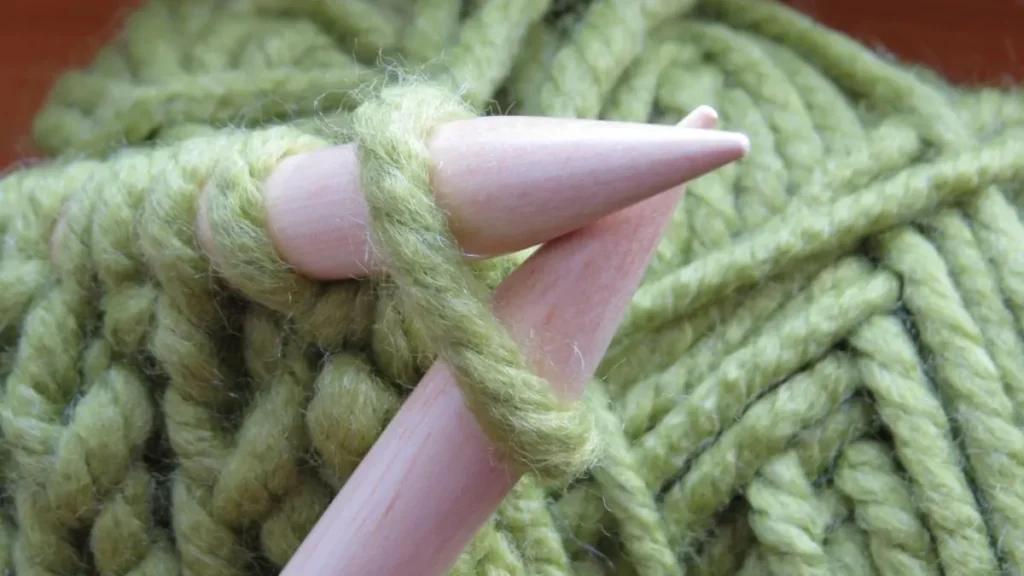
- Knitting or crochet: Beginner kits come with yarn, needles or a hook, and a simple pattern. A scarf or dishcloth is a realistic first project.
- Phone photography: Give yourself a weekly theme, such as shadows or the color red, and shoot only around your home and street.
- Cooking one new cuisine: Pick one region and cook one new dish from it each week. Your grocery budget covers most of it.
Active Hobbies for Small Spaces
Moving hobbies count toward your weekly activity. The CDC’s overview of adult physical activity recommends 150 minutes of moderate-intensity activity a week, plus muscle-strengthening activity on at least two days. If you have a health condition, check with your doctor before starting something new.
- Dance workouts: Follow free online routines in your living room. Pick ones that make you laugh rather than ones that look perfect.
- Yoga and stretching: A mat or a folded blanket is all you need. Short beginner sessions are easy to fit before dinner.
- Indoor herb gardening: Grow basil, mint or parsley on a sunny windowsill, then cook with what you grow.
- Bodyweight strength: Squats, push-ups against a counter and lunges need no equipment and help with the strength part of the recommendation.
Brainy and Low-Cost Hobbies at Home
These new hobby ideas keep your mind busy without much spending.
- Reading challenges: Set a theme for each month. Our guide on 10 realistic habits to read more books when you’re busy shows how to make it stick.
- Puzzles: Jigsaws, crosswords and logic puzzles are cheap, and you can swap finished jigsaws with friends.
- Learning a language: Practice for a short session daily with a free app, then label objects around your home in that language.
- Learning an instrument: A secondhand ukulele or keyboard and free video lessons are a gentle start.
- Writing short fiction: Try one short story a month. Prompts help on blank-page nights.
- Home film club: Watch one classic film a week and discuss it with a friend or partner. Our guide on how to choose a streaming service without overpaying helps you pick the right subscription for it.
How to Pick a Hobby and Stick With It
Choose based on the energy you have at the end of the day. If you’re mentally drained, pick something hands-on like knitting or cooking. If you’ve been sitting all day, pick an active hobby. Put it on your calendar twice a week, and keep your phone in another room while you do it. Our digital wellbeing habits for a healthier relationship with tech can help you protect that time, and the 25 digital lifestyle tips in our smarter living hub offer more ways to build routines that last.
Frequently Asked Questions
What are the cheapest hobbies to try at home?
Journaling, bodyweight exercise, phone photography, reading library books and writing cost little or nothing, because they use things most people already own. Start with one of these, and only buy supplies once you know the hobby is something you’ll keep doing for more than a few weeks.
How do I find a hobby I actually enjoy?
Think about what you loved as a kid, what you lose track of time doing, and what you envy in friends’ lives. Try three hobbies for two weeks each. Keep the one you look forward to, not the one you think you should like.
How much time should I spend on a new hobby?
Short, regular sessions work better than rare marathon ones. Two or three sessions a week is a realistic start for most busy adults. If you skip a week, don’t quit. Simply pick it up again at your next scheduled slot.
Final Thoughts
The right hobbies to try at home are the ones that fit your energy, budget and space. Pick one from this list tonight and give it a fair month. For more ideas on books, streaming and downtime, browse our entertainment guides for better free time, or visit fentomagazine.com for fresh stories every week.