Figuring out how to declutter your home can feel harder than the work itself, especially if you’ve tried before and watched the piles creep back within a week. The problem is rarely willpower. It’s usually the plan: tackling everything at once, with no clear order and no system for what happens next.
This guide gives you a room-by-room sequence, four quick decision questions, and a few small habits that protect your progress. Like every Home & Living guide at FentoMagazine.com, it’s built for real homes and busy weeks, not magazine-perfect shelves. Grab a trash bag and a timer, and start small.
Key takeaways
- Work in small zones and short, timed sessions instead of one exhausting weekend.
- Start with low-emotion spaces like the entryway and bathroom, and save sentimental items for last.
- Dispose of medicines, electronics, and batteries safely, and get donations out the door within a week.
- Protect your progress with habits like “one in, one out” and a 10-minute evening reset.
Before You Start: How to Declutter Your Home Without Burning Out
The first lesson in how to declutter your home is to start smaller than feels necessary. Emptying every closet at once usually ends with a bigger mess and no energy left to finish.
Pick one zone and a timer
Choose one drawer, shelf, or corner, not “the kitchen.” Then set a timer for 15 to 30 minutes. Short sessions keep decisions sharp, and stopping while you still have energy makes it easier to come back.
Set up five landing spots
Line up five bags or boxes so every item has somewhere to go:
- Keep: things you use or love that belong in this zone.
- Relocate: keepers that live in another room.
- Donate or sell: usable items someone else will want.
- Recycle: paper, packaging, and anything that needs a special drop-off.
- Trash: broken or worn-out things nobody can use.
Empty the Relocate box once, at the end, so a 20-minute drawer doesn’t become a two-hour detour.
Ask four quick questions
- Have I used this in the past year? Seasonal and emergency items get a pass.
- Would I buy it again today? If not, you may be keeping it out of guilt.
- Do I own something that does the same job? Duplicates are easy wins.
- Does it have a home? If you can’t name a spot, it will land on a counter again.
Still stuck? Put it in a dated “maybe” box. If you don’t open it within three months, donate it unopened.
How to Declutter Your Home Room by Room, Starting With Easy Wins
When you declutter room by room, order matters. Start with spaces you use daily that carry little emotional weight, and work up to closets, paperwork, storage areas, and keepsakes.
Entryway and drop zones
Move out-of-season coats and shoes to storage, and donate anything nobody wears. Then give daily items a fixed spot, like a hook for keys and a tray for wallets and sunglasses.
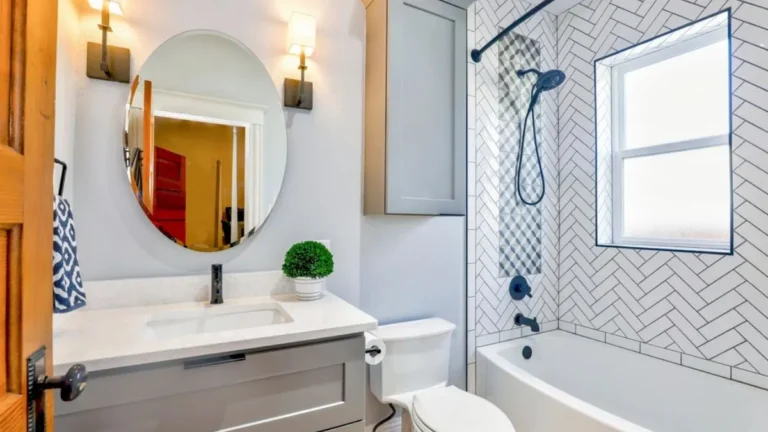
Bathroom and medicine cabinet
Bathrooms are small, so results come fast. Toss dried-out makeup, empty bottles, and samples you’ll never open, and keep one backup of each product you use regularly.
Old medicines need more care. The FDA’s guidance on disposing of unused medicines recommends a drug take-back option first, such as a drop-off box at a pharmacy or police station or a prepaid mail-back envelope.
If no take-back option is available, the FDA recommends flushing medicines on its flush list. Most others can go in the household trash: don’t crush pills, mix them with something unappealing like used coffee grounds or cat litter, and seal the mixture in a plastic bag. Scratch your personal details off empty prescription labels, and ask your pharmacist if you’re unsure.
Kitchen and pantry
Work counters first, then drawers, cabinets, and the pantry. Clear duplicate utensils, gadgets you use once a year, and containers without lids. Donate unopened, unexpired food you won’t eat, toss anything stale, and group what’s left by how you cook.
Bedrooms, Closets, and Living Spaces
Bedroom and closet
Clear surfaces first, including the chair that has quietly become a second closet. Then sort clothes one category at a time so you can see how much you own. Keep what fits your body and your life now, and let go of anything waiting for repairs you’ll never make.
To spot what you don’t wear, turn every hanger backward and flip each one after you wear that piece. At season’s end, the backward hangers tell the story. For a smaller closet that’s easier to maintain, our guide on how to build a capsule wardrobe walks through choosing pieces that work together.
Living room and shared areas
Start with the obvious: dishes, chargers, and anything from another room go into the Relocate box. Then keep only the books, decor, and blankets you use or enjoy. If you share the space, agree on simple rules, like one basket per person for stray items, instead of decluttering other people’s things.
Paper Piles, Home Office Clutter, and Old Electronics
Paper and mail
Sort mail the day it arrives, standing next to the recycling bin. File what’s left into three groups: action (bills to pay, forms to sign), reference (things you may need soon), and archive (records to keep long term).
How long to keep tax, legal, and financial records depends on your situation, so check with a qualified professional before you discard anything important. When papers with personal information do go, shred them.
Electronics, cords, and batteries
Gather old phones, laptops, tablets, and mystery cables into one box, and let go of chargers for devices you no longer own.
Before devices leave the house, follow the EPA’s electronics donation and recycling advice. Delete all personal information, remove batteries that may need separate recycling, and look for donation or recycling options in your community. The EPA also notes that devices with lithium-ion batteries should not go in household garbage or recycling bins.
Storage Spaces and Sentimental Items Come Last
Garage, basement, and attic
Storage areas hide clutter because they hide decisions. Work one shelf at a time, let go of broken tools and duplicate supplies, and open the boxes you never unpacked. Check your local waste program before tossing leftover paint or chemicals, and label every bin you keep.
Keepsakes, gifts, and inherited items
By now, your decision-making muscle is stronger. Letting go of an object doesn’t mean letting go of the memory or the person behind it. Keep the best examples, like a few favorite pieces of a child’s artwork, and display them where you’ll see them. Photograph what you want to remember but don’t need to store. Gifts you don’t use can go to someone who will.
What to Do With Everything You Let Go
Any plan for how to declutter your home needs an exit plan for the stuff itself. A donation bag that rides in your trunk for a month is still clutter, so check what local charities accept and drop off within a week. Sell only items worth your time, and donate whatever hasn’t sold by your deadline.
If you plan to deduct donations on your taxes, get a receipt and keep a list of what you gave. Noncash donations come with specific rules, so ask a qualified tax professional what applies to you.
How to Keep Your Home Clutter-Free After the Big Clear-Out
Knowing how to declutter your home is half the job. Keeping it that way comes down to a few small habits:
- One in, one out. When something new comes in, something similar leaves.
- A 10-minute evening reset. Return stray items to their homes and clear one surface.
- A permanent donation bag. Keep it in a closet, and drop it off when it’s full.
- A pause before buying. Wait a day on nonessential purchases, and decide where the item will live first.
Clear your digital clutter too
A crowded home screen and an overflowing inbox can feel as distracting as a messy counter, and the same rules apply. Our simple digital wellbeing habits are a good place to start, and our hub of 25 digital lifestyle tips has more small upgrades for everyday life.
When clutter feels like more than clutter
For some people, letting go brings real distress. The American Psychiatric Association describes hoarding disorder as persistent difficulty getting rid of possessions, with clutter that can make living spaces hard to use, and notes that cognitive behavioral therapy is the best-supported treatment.
If that sounds familiar, for you or someone you love, talk to a doctor or mental health professional. This article is general information, not medical, mental health, or financial advice; see our disclaimer for details.
Frequently Asked Questions
How long does it take to declutter a whole house?
It depends on your home’s size, how much you own, and the time you can give it. Instead of chasing a deadline, plan short sessions a few times a week and track rooms as you finish. Steady sessions are easier to keep up than one exhausting weekend.
What should I declutter first?
Start with a small, low-emotion space you use every day, such as the entryway, a bathroom drawer, or a kitchen counter. Quick wins there build momentum. Save sentimental items and photos for last, when letting go feels easier and you have a clearer sense of what matters most.
Is it better to declutter by room or by category?
Both work, and you can combine them. A room-by-room plan is easier to schedule and shows progress fast, while sorting by category, such as all your books at once, reveals duplicates. A practical mix: declutter room by room, then do a quick category sweep for things scattered around the house.
The Bottom Line
Learning how to declutter your home is less about one heroic weekend and more about a clear order, quick decisions, and small habits that keep your home clutter-free. Start with one drawer today. Next week, it might be the kitchen counter.
For more ideas on organizing your space, explore our Home & Living section, or visit fentomagazine.com for fresh stories across every topic we cover. At FentoMagazine.com, the goal stays simple: practical guides for curious people with full lives.