Meal prep for beginners doesn’t mean giving up your whole Sunday or eating the same bland chicken and rice five days in a row. It means making a few decisions once, cooking a little ahead and turning busy weeknights into heat-and-eat nights. At FentoMagazine.com, we like plans that hold up in real life, so this guide keeps things simple: one planning session, one shopping trip, one cooking block and a handful of safe storage habits. Follow the weekly meal prep plan below, start small, and you’ll spend less time deciding what’s for dinner and less money on last-minute takeout.
Key takeaways
- Start small: prep two or three dinners a week, not every meal.
- Plan meals first, then shop from a list built around them.
- Cook components, not finished meals, so a few basics become several different dinners.
- Chill food fast in shallow containers, date every label and freeze what you won’t eat within a few days.
What Is Meal Prep? A Quick Primer for Beginners
Meal prep means cooking and chopping ahead so weekday meals come together in minutes. As Harvard’s Nutrition Source notes in its meal prep guide, there’s no single correct method; it depends on your tastes, cooking skills, schedule and goals. Three styles are worth knowing:
- Full meals: cook complete dishes, like chili or a pasta bake, and portion them out.
- Component cooking: make a few building blocks, such as a protein, a grain and vegetables, then mix and match.
- Ingredient prep: wash, chop and marinate ingredients so cooking on the night is quick.
If you’re new, start with component cooking. It’s less work than five separate recipes, and you’re less likely to get bored by Wednesday.
Why a Weekly Meal Prep Plan Saves Time and Money
Time savings come from grouping similar jobs. You chop all the onions at once, run the oven once and wash one big round of dishes instead of five small ones. You also skip the nightly “what should we eat?” debate that can end with a delivery app.
Money savings come from buying with a purpose. Plan meals before you shop and you buy only what they need, so less food goes bad. That matters: the U.S. Environmental Protection Agency says the average family of four spends almost $3,000 a year on food that doesn’t get eaten.
A weekly meal prep plan works even better with a real grocery number behind it. Our guide on how to create a budget that actually works can help you set one.
What You Need Before You Start
You don’t need special gear. A sheet pan or two, a large pot, a sharp knife, a cutting board and some containers cover everything here.
Meal prep containers
Choose airtight containers in a few sizes, including single portions for grab-and-go lunches. Clear ones help, because food you can see is food you remember to eat. Reheat only in containers marked microwave-safe, and keep masking tape and a marker handy for date labels.
Pantry staples
Keep a small stock of shelf-stable basics so you only need to buy fresh items each week: rice, pasta, oats, canned or dried beans and lentils, jarred sauces, cooking oil and a few spices you enjoy. Stock up when they’re on sale.
Meal Prep for Beginners: A Simple 5-Step Weekly Plan
This is the core routine. The best meal prep for beginners is the kind you’ll actually repeat, so run it for a few weeks before changing anything.
Step 1: Set a small goal
Choose one meal to prep for, such as dinner or your workday lunch. Harvard’s guide suggests starting with enough dinners for two or three days of the week.
Step 2: Plan meals you already like
Skip ambitious new recipes in week one. Pick dishes you know that reheat well and share ingredients. If two meals both use peppers and rice, your list gets shorter and prep goes faster.
Step 3: Shop from a list
Check your fridge, freezer and pantry first, then list only what your planned meals need, a habit the EPA recommends for wasting less food. Group the list by store section so shopping goes fast.
Step 4: Cook the slowest foods first
Pick a prep day and put it on your calendar. Start with whatever takes longest, such as proteins, whole grains, dried beans and roasted vegetables, then handle quick jobs while those cook.
- Heat the oven and get your grain going on the stove.
- Roast the protein and vegetables on separate sheet pans.
- While they cook, wash greens, mix a sauce and hard-boil some eggs.
- Clean as you go, so the kitchen is done when the food is.
Step 5: Portion, chill and label
Divide food into shallow containers so it chills fast. According to the CDC’s food safety guidance, small portions of hot food can go straight into the fridge, and you should refrigerate perishable food within 2 hours, or within 1 hour if it’s been somewhere above 90°F. Label every container with its contents and the date.
Easy Meal Prep for Beginners: A Sample Week
Here’s what one Sunday session can look like. Swap in your own favorites; the structure matters more than the specific foods.
On prep day, make:
- One protein, such as seasoned chicken thighs or baked tofu
- A pot of brown rice or quinoa, plus a pot of beans or lentils
- Two sheet pans of roasted vegetables, like broccoli, peppers and sweet potatoes
- One or two sauces, such as lemon-yogurt sauce and a quick salsa
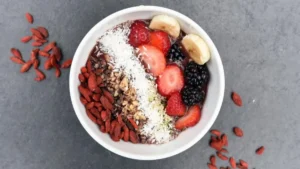
- A grab-and-go breakfast, like overnight oats or hard-boiled eggs
Then mix and match:
- Monday: grain bowls with chicken, roasted vegetables and yogurt sauce
- Tuesday: burrito bowls with beans, rice, peppers and salsa
- Wednesday: quick fried rice with the last of the vegetables and an egg on top
- Thursday and Friday: a freezer meal, an easy pantry dinner or a planned night out
The plan covers three dinners, not seven. That’s deliberate: good meal prep for beginners leaves room for leftovers, changed plans and nights when you want something different. And with breakfast already sorted, it’s easier to build a morning routine you’ll actually stick to.
How Long Meal Prep Lasts in the Fridge and Freezer
Food safety is the least exciting part of meal prep and the most important. The CDC advises keeping your fridge at 40°F or below and your freezer at 0°F or below. If your fridge has no built-in thermometer, keep an appliance thermometer inside.
Harvard’s guide recommends these refrigerator times:
- 1 to 2 days: cooked ground beef or ground poultry
- 3 to 4 days: cooked whole meats, fish and poultry, plus soups and stews
- 5 days: cooked beans and hummus
- 1 week: hard-boiled eggs, and chopped vegetables in an airtight container
That’s why the sample week front-loads the prepped meals. Freeze anything meant for Thursday or Friday on prep day. Harvard lists 2 to 3 months in the freezer for soups, stews and cooked beans, and 3 to 6 months for cooked meat and poultry. Skip freezing high-moisture foods like salad greens and tomatoes, which turn mushy once thawed.
Thaw frozen meals in the fridge, in cold water or in the microwave, never on the counter. When you reheat leftovers, the CDC recommends bringing them to 165°F, so a food thermometer is worth having.
This guide is general information, not personal nutrition or medical advice. If you have a health condition, food allergies or a specific diet to follow, a registered dietitian or your doctor can help you adapt it. Our disclaimer explains more.
Common Meal Prep Mistakes Beginners Make
- Cooking too much, too soon. Five new recipes in one afternoon is a fast way to burn out. Master two or three, then add more.
- Prepping foods that don’t hold up. Dressed salads wilt and crispy foods go soft, so pack dressings and crunchy toppings separately.
- Overcooking grains and pasta. They soften further when reheated, so cook them until just tender.
- Making everything taste the same. Two or three different sauces turn the same chicken and rice into very different meals.
- Hiding food in the back of the fridge. Keep the oldest containers in front and at eye level so they get eaten first.
Meal prep works like most good habits: you decide once, then let the system carry you through the week. You’ll find that same make-it-once thinking across FentoMagazine.com, including our 25 digital lifestyle tips for smarter living.
Frequently Asked Questions
How do I start meal prepping as a beginner?
Pick one meal to focus on, usually dinner or lunch, and plan two or three recipes you already know. Write a shopping list from that plan, choose a prep day and cook the slowest foods first. Portion everything into labeled containers. Once that feels easy, add another meal or one new recipe each week.
How many days ahead can you meal prep?
Harvard’s guide recommends three to four days for cooked whole meats, fish, poultry, soups and stews, with your fridge at 40°F or below. Cooked ground meat has a shorter window of one to two days. Anything you plan to eat later in the week should go in the freezer on prep day.
Does meal prep really save money?
It can, for two reasons. Planning meals before you shop means you buy only what you’ll use, so less food spoils. And having dinner ready makes takeout less tempting on tired nights. Your results depend on your habits, so track your grocery and takeout spending for a few weeks to see the difference.
What are the best foods for meal prep for beginners?
Start with forgiving foods that reheat well: roasted vegetables, whole grains like brown rice or quinoa, beans and lentils, chicken thighs, soups, stews and chili. Hard-boiled eggs and overnight oats make simple breakfasts. Save delicate items, like dressed salad greens or crispy fried foods, for the day you eat them.
Start Small and Build From There
Meal prep for beginners comes down to a short loop: plan a few meals, shop from a list, cook in one focused session and store everything safely. Give it a month and you’ll learn how much food your household really eats, which recipes deserve a second round and how much time you get back.
For more weeknight recipes and kitchen basics, browse our Food & Recipes section, or head back to FentoMagazine.com for practical guides on money, health, home and everyday life.